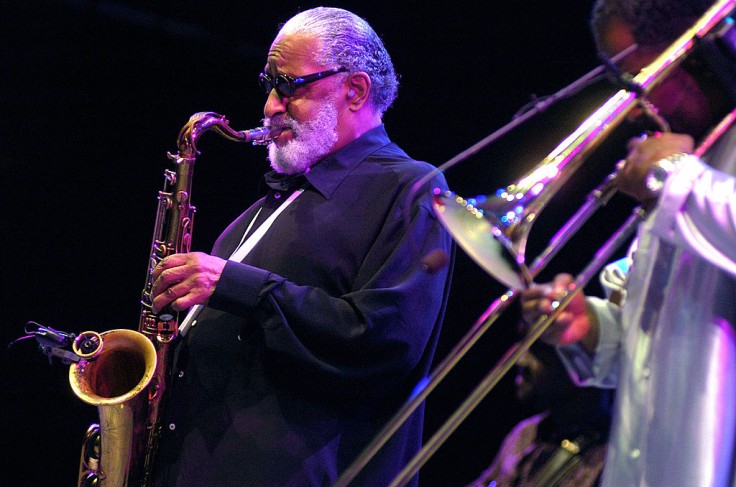
Jazz legend Sonny Rollins died on Monday at the age of 95 at his home in Woodstock, New York, according to his publicist. He had been living with pulmonary fibrosis, and his death was confirmed through his official website. His passing marks the end of one of the most important voices in jazz history.
Rollins, born in 1930 in New York City, was one of the last direct links to jazz's post-war golden age. He performed with many of the genre's greatest names, including Miles Davis, John Coltrane, Thelonious Monk, Dizzy Gillespie, and Charlie Parker, RollingStone reported.
He outlived many of his peers, becoming a living bridge to a time when modern jazz was being created and reshaped. He began recording in 1949 while still a teenager, playing with early bebop musicians and quickly building a name in the jazz world. His 1956 album Saxophone Colossus became a defining work in jazz history, recorded in a single session and featuring the classic tune "St. Thomas."
Over his career, he released more than 60 albums as a bandleader and helped create lasting standards like "Oleo," while also producing influential records such as "Tenor Madness" and "Way Out West."
#BREAKING
— ⚡️🌎 World News 🌐⚡️ (@ferozwala) May 26, 2026
Sonny Rollins, the last jazz 'colossus,' dies aged 95 pic.twitter.com/ulp4PH0VQL
📌#Sonny_Rollins, the tenor saxophonist and restless genius whose bold, distinctive tone and constant experimentation kept him on the cutting edge of jazz for more than 50 years, died…
Jazz Great Sonny Rollins Dies
In 1959, Rollins stepped away from public performance, seeking silence and focus. He often practiced alone on the Williamsburg Bridge in New York at night, using the empty space to explore new ideas without distraction. He later returned in 1962 with the album The Bridge, a project that showed a refreshed and more experimental sound.
According to Billboard, he received many honors during his life, including Grammy Awards, a Lifetime Achievement recognition, and the Kennedy Center Honor in 2011.
Reflecting on life and creativity, Rollins once said, "I think when the creative person ends, he continues in the next existence."
His publicist noted that his death closes a direct line to jazz's most influential era, connecting generations of musicians and fans. Even after his final performance in 2012 and retirement in 2014 due to illness, Rollins remained a towering figure in music.
© 2026 MusicTimes.com All rights reserved. Do not reproduce without permission.


