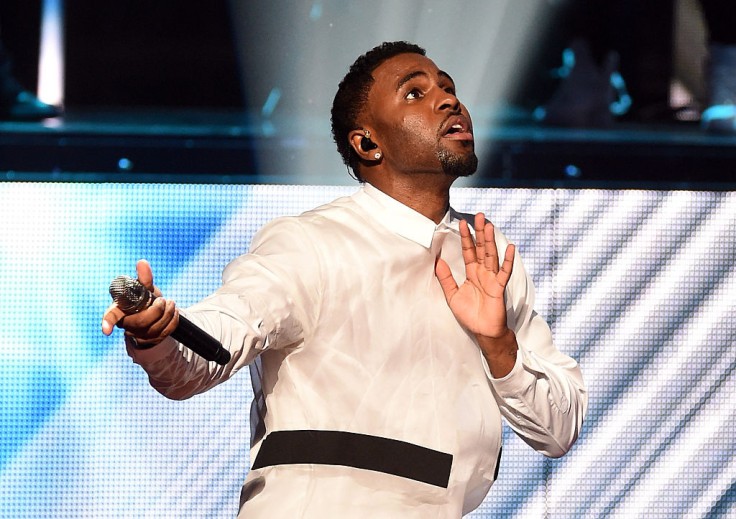
Jason Derulo has told a federal jury that he did not steal songwriting credit or royalties from a session musician on his hit song "Savage Love," as a courtroom battle over the track's creation continues in Los Angeles.
Taking the stand on Thursday, Derulo firmly rejected claims from guitarist and producer Matthew Spatola, who says he helped create key parts of the 2020 chart-topping song.
"Mr. Spatola created absolutely nothing on 'Savage Love,'" Derulo testified, insisting the musician was hired only to perform, not to co-write.
The case centers on "Savage Love," a viral track that later reached No. 1 on the Billboard Hot 100 after a remix with BTS.
According to Billboard, the song is built around a sample from New Zealand producer Jawsh 685, whose original beat first spread widely on social media during the pandemic.
Spatola, the plaintiff, argues that he contributed creative guitar and bass elements during studio sessions in April 2020 and should be credited as a co-author.
He also claims he was unfairly excluded from royalties tied to the song's success.
Jason Derulo Testifies at ‘Savage Love’ Trial, Says Guitarist Suing Him ‘Created Absolutely Nothing’ https://t.co/YIHBbB8Vxu
— billboard pro (@billboardpro) April 30, 2026
Jason Derulo Defends Song Credits in Federal
Derulo, however, told jurors he had never met Spatola before those two short recording sessions and would not have brought in an unfamiliar collaborator to co-write music.
"I would never in a million years just invite somebody off the street... to come in and be a producer for me," he said in court.
He explained that Spatola was paid a $2,000 session fee and followed instructions during recording, RollingStone reported.
Derulo said the instrumental direction was already shaped before Spatola's involvement, and his role was limited to playing parts assigned in the studio.
"It makes zero sense," he added, rejecting the idea that Spatola was part of the creative core.
Spatola's legal team disputes that version of events. They argue he helped build the musical foundation layered on top of the viral beat and contributed to shaping the song's final structure.
His lawyer also pointed out that Spatola was not under a formal work-for-hire agreement, meaning he never gave up any potential rights to credit or royalties.
The trial highlights how informal studio sessions in modern pop music can lead to disputes over ownership, especially when songs become global hits.
While Derulo's team says Jawsh 685 remains the primary creative force behind the track, Spatola is asking the court to recognize him as a co-author.
The jury will later decide whether Spatola deserves songwriting credit and possible financial damages. Derulo is expected to return to the stand as the trial continues.
© 2026 MusicTimes.com All rights reserved. Do not reproduce without permission.


