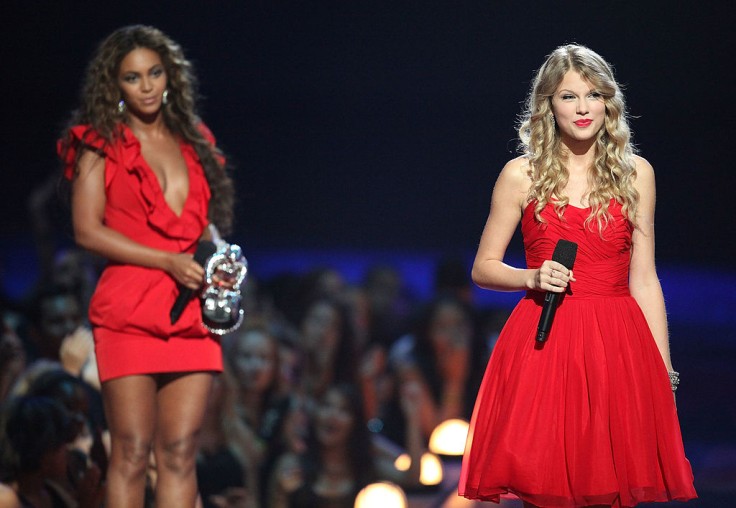
Beyoncé Knowles and Taylor Swift are at the center of an ongoing debate about how the world's newest generation of entertainment billionaires should use their vast wealth to address political and social injustice.
More and more musicians are making over a billion dollars, and there is more and more pressure on them to do more than give money to charity and get involved in their communities.
Beyoncé, 44, achieved billionaire status last year through her music, tours, fashion lines, and business ventures with husband Jay-Z. Swift, 36, joined the billionaire ranks nearly three years ago, propelled mainly by the success of her Eras Tour.
Other artists, including Bruce Springsteen—who denies billionaire status—Rihanna, and Jay-Z himself, have also amassed significant wealth. Beyoncé went from being a member of Destiny's Child and singing about money problems to becoming the most decorated artist in Grammy history. This shows how celebrity wealth and power have changed.
During her global tour, Swift distributed nearly $200 million in bonuses to her staff, including $100,000 each to truck drivers, a move widely praised but also raising questions about whether such generosity should extend to more direct political involvement.
An industry insider told RadarOnline.com that performers at this financial level recognize that even small portions of their wealth could fund campaigns, protect voting rights, or back legal battles, but remain cautious about fully entering politics.
This discussion emerges amid rising global inequality. According to Oxfam, the wealthiest 1% of people worldwide have about $52 trillion. This makes people more interested in what billionaires should do in public. Fans who used to connect with songs about hardship and injustice are now thinking about those messages from people whose wealth rivals that of multinational corporations.
People who study history say that artists often made their opinions known during times of social unrest. Comparisons are drawn to early industrial billionaires like John D. Rockefeller, who operated under progressive tax systems. Today's political climate is different; changes in campaign finance rules and court rulings have blurred the lines between wealth and political power.
While some tech executives publicly resisted elements of the Trump administration, cultural elites' resistance has been less apparent in recent years. Sources say they are upset that performers don't want to talk about threats to democracy.
As Beyoncé, Swift, and their peers continue to wield immense cultural influence alongside historic wealth, questions remain about their willingness to defend civil rights and democratic values actively—a topic closely monitored by supporters and critics alike.
© 2026 MusicTimes.com All rights reserved. Do not reproduce without permission.


