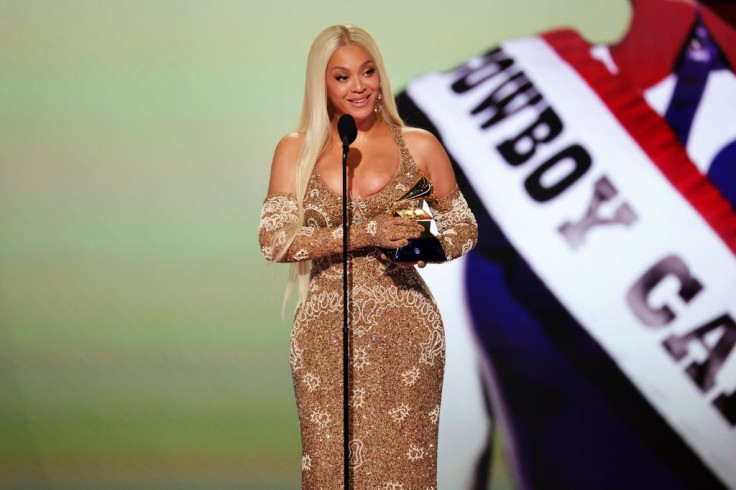
When Beyoncé released Cowboy Carter, the album did more than expand her catalog — it reopened a long-simmering argument inside country music about who gets to belong.
While fans quickly embraced the project's mix of country, soul, gospel and pop, parts of the Nashville establishment appeared far less enthusiastic.
According to artist and producer Breland, that reaction had less to do with the music itself and more to do with how Beyoncé chose to operate outside the city's unwritten rules.
Reaction to Cowboy Carter followed a familiar pattern. Ever since Beyoncé stepped onto the CMA Awards stage in 2016, she has been met with doubt from some within country music, particularly those wary of artists who fall outside its traditional mold. That same unease reemerged when she returned to the genre years later.
Why Nashville Didn't Know What to Do With Cowboy Carter
Speaking on Rolling Stone's Nashville Now podcast, Breland suggested that Nashville tends to welcome outsiders only when they follow a familiar path.
As he put it, "I think that country music is fine with certain artists coming over here if they do it with the artists that they trust."
Breland pointed to rapper BigXthaPlug as an example of how crossing over can work smoothly.
He described how BigXthaPlug "started doing some of these collabs with much success and then decided, 'Hey, I'm going to lean all the way in and do a whole collab album with all of these pop and country artists, and it's gonna work.'"
That approach — building relationships within the city and aligning with recognizable collaborators — often earns industry buy-in.
Beyoncé, by contrast, took a different route. While Cowboy Carter includes appearances from Post Malone and Dolly Parton, Breland noted that much of the album spotlighted artists unfamiliar to Nashville power brokers.
"She chose to put a bunch of artists on here that people weren't as familiar with and didn't come to town and play the game the same way that everyone else would," he said.
That decision, Breland argued, made it easy for industry institutions to keep her at arm's length. "It's really easy for the institutions in Nashville to be like, 'She's not with us,' because she didn't come here and take all the same steps that someone like a Post Malone or a BigXthaPlug did," he explained, adding that those artists often show up repeatedly at Nashville events to signal commitment.
Breland went further, suggesting the reception might have shifted if Beyoncé had centered the project more firmly in Music City. Had she recorded in Nashville, collaborated with more local writers and producers, and made herself visible within its industry circles, he believes the city would have been more receptive.
Artists Push Back Against the Backlash
Despite resistance from some industry gatekeepers, Beyoncé has found vocal defenders within country music itself. The debate surrounding Cowboy Carter echoes a broader conversation about genre gatekeeping and the long-standing tendency to frame country music as white and male — a history explored by TIME's Made by History.
Country singer Charley Crockett addressed that tension head-on in an Instagram post last summer, calling out critics who aimed their frustration at Beyoncé. "@beyonce ain't the source of your discontent," he wrote. "It was 25 years of bro country." Crockett argued that the genre has already absorbed pop and hip-hop influences for years, noting, "These 'country boys' been singing over trap beats for years. So what's different now?"
His message reframed the controversy as less about sound and more about who is allowed to experiment — and who gets challenged for doing so.
Beyoncé Speaks on Feeling Unwelcome
Beyoncé herself has been clear that Cowboy Carter was shaped by personal experience. Ten days before the album's release, she shared a candid message on Instagram explaining that the project grew out of a moment when she felt excluded.
"This album has been over five years in the making," she wrote. "It was born out of an experience that I had years ago where I did not feel welcomed ... and it was very clear that I wasn't." Rather than turning away from the genre, she said that experience pushed her to study country music's history more deeply and reconnect with its overlooked roots.
© 2026 MusicTimes.com All rights reserved. Do not reproduce without permission.


