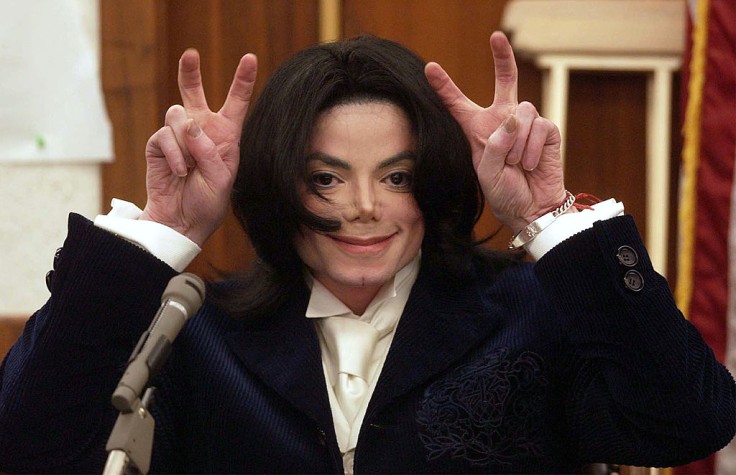
Michael Jackson's disastrous 1984 Pepsi commercial shoot marked the beginning of a decades-long struggle with pain, plastic surgery, and prescription medication, a new Hulu documentary reveals.
On January 27, 1984, Jackson's hair caught fire during a performance of "Billie Jean" at Los Angeles' Shrine Auditorium when a pyrotechnic effect misfired.
The accident left him with second- and third-degree burns to his scalp.
Contrary to rumors, the fire was not caused by hair products or hesitation on stage, TMZ reports in "Michael Jackson: 30 Fatal Seconds," now streaming on Hulu.
In the documentary, Jackson's family lawyer Brian Panish explains the lasting impact of the injury.
"He underwent extensive plastic surgery, skin grafting, where they took skin from another part of his body to fix the areas that were damaged. He had severe pain, he had debilitating pain, he had neuropathic pain which is nerve pain in the scalp," Panish said.
He added that the injury led to insomnia, anxiety, and exhaustion, fueling a cycle of worsening pain. "The pain, the inability to sleep, causes the pain to be worse," Panish noted.
The documentary links the commercial accident to Jackson's reliance on prescription pain medication.
Michael Jackson Pepsi Commercial Disaster Not Caused by Hair Product https://t.co/V4aavoBjUM
— d-rock trot (@drocktrot) February 22, 2026
Pepsi Accident Sparked Michael Jackson's Struggles
Panish stated, "The patient shouldn't be the one telling the doctor the drugs that they should have. The doctor should be in charge. And I think in this case, Michael became the one that was in charge. And the doctors, whatever he had asked, were giving in."
TMZ founder Harvey Levin echoed this view, saying Jackson "was not a drug addict before that Pepsi commercial was shot" and "wasn't a plastic surgery addict before that commercial," emphasizing that the injuries directly contributed to his later struggles.
According to Fandom Wire, Pepsi ultimately settled with Jackson for $1.5 million. Rather than keeping the money, Jackson donated the funds to the Brotman Medical Center in Culver City, where a burn unit was later named in his honor.
The Michael Jackson Burn Center treated young burn victims for years, becoming a lasting positive outcome of the accident.
Jackson's injuries and the subsequent medical treatments continued to affect him for decades, ultimately influencing his health and career.
He died on June 25, 2009, at age 50 from acute propofol and benzodiazepine intoxication, with his personal physician later convicted in connection to administering the powerful anesthetic.
© 2026 MusicTimes.com All rights reserved. Do not reproduce without permission.


