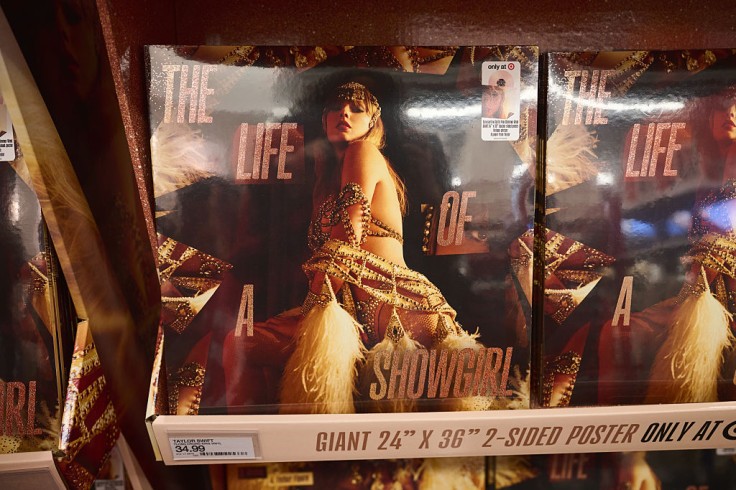
Taylor Swift's new album The Life of a Showgirl quickly became a major success, breaking sales records and drawing attention from fans around the world.
But along with the excitement came an unexpected problem: a wave of misleading online posts that tried to link the pop star to extreme political ideas.
These posts spread fast and confused many listeners who simply wanted to enjoy the music.
Soon after the album debuted in early October, social media conversations became filled with claims that Swift was promoting controversial themes.
A number of social media posts claimed that she supported the MAGA movement, promoted traditional gender roles, or used imagery linked to white supremacist groups.
These claims were based on very small details — for example, her use of the word "savage" in the song "Eldest Daughter," or a necklace from her website featuring lightning bolt charms, Yahoo reported.
Some critics said the design resembled symbols associated with the SS.
Swift's fans, commonly known as Swifties, quickly criticized the accusations. Many argued that the concerns were overstated and rooted in misinterpretation rather than anything intentional.
One fan wrote online that these reactions made people who genuinely care about social issues look "ridiculous."
Supporters believed the criticism went too far and ignored the singer's long history of backing liberal causes.
What most fans did not realize was that these claims were not coming from ordinary users.
Rolling Stone has published an article detailing the “coordinated attack” on Taylor Swift’s recent album, ‘The Life of a Showgirl’.
— Pop Flop (@ThePopFlop) December 9, 2025
“Taylor Swift’s Last Album Sparked Bizarre Accusations of Nazism. It Was a Coordinated Attack.
— Data analysis of social media posts painting the… pic.twitter.com/jyOsxkcHv3
Bots Drive False Claims About Taylor Swift's Album
According to new research from behavioral intelligence startup GUDEA, a small group of misleading accounts played a major role in spreading the false narrative.
According to Rolling Stone, the company analyzed more than 24,000 posts across 14 platforms and found that only 3.77 percent of accounts generated 28 percent of the discussion about Swift and her album.
These accounts often acted like bots and pushed the most provocative content, including conspiracy theories about Nazi imagery and suggestions that Swift's relationship with fiancé Travis Kelce signaled conservative values.
The posts first appeared in fringe online forums before spreading to mainstream apps, where people arguing against the claims unintentionally amplified them.
GUDEA's report noted that the false ideas gained traction because users who disagreed with them continued to share the posts.
"The false narrative... successfully pulled typical users into comparisons," the researchers wrote.
Georgia Paul, GUDEA's head of customer success, said she suspected manipulation early on because the conversation felt "too coordinated."
Her team later confirmed two major spikes in misleading activity, one on Oct. 6–7 and another on Oct. 13–14, when a new merchandise line sparked more controversy.
© 2026 MusicTimes.com All rights reserved. Do not reproduce without permission.


